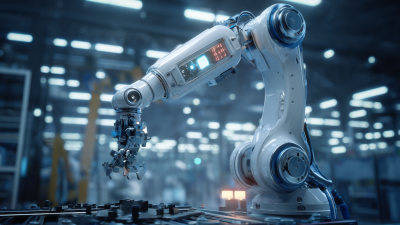
You know, the automation scene in China has really been taking off lately. A report from the International Federation of Robotics (IFR) pointed out that back in 2021, China made up about 36% of all robotic installations worldwide — that's a huge chunk! This rapid growth has definitely caught the attention of global buyers who are on the lookout for dependable products. But honestly, with so many options out there, it can get pretty overwhelming trying to figure out where to start.
Experts keep emphasizing how important it is to pick the right Automation Robot tailored to your specific needs. Dr. Henry Chen, a well-known industry analyst, even says, “Choosing the right technology can really make a big difference in how smoothly your operations run.” His advice really hits home because, let’s face it, making the right choice can be tricky — not every robot out there is a perfect fit.
Plus, it’s worth remembering that not all automation solutions are created equal. Some companies tend to promise the moon but don’t always deliver. So, shoppers need to do their homework and evaluate their options carefully — dropping money on the wrong robot can cause setbacks that are tough to recover from. The good news is, if you do your research and chat with industry folks, there are plenty of opportunities out there. Just remember, a bit of diligence goes a long way before you make any big decisions.
Understanding China's Automation Robotics Market Landscape
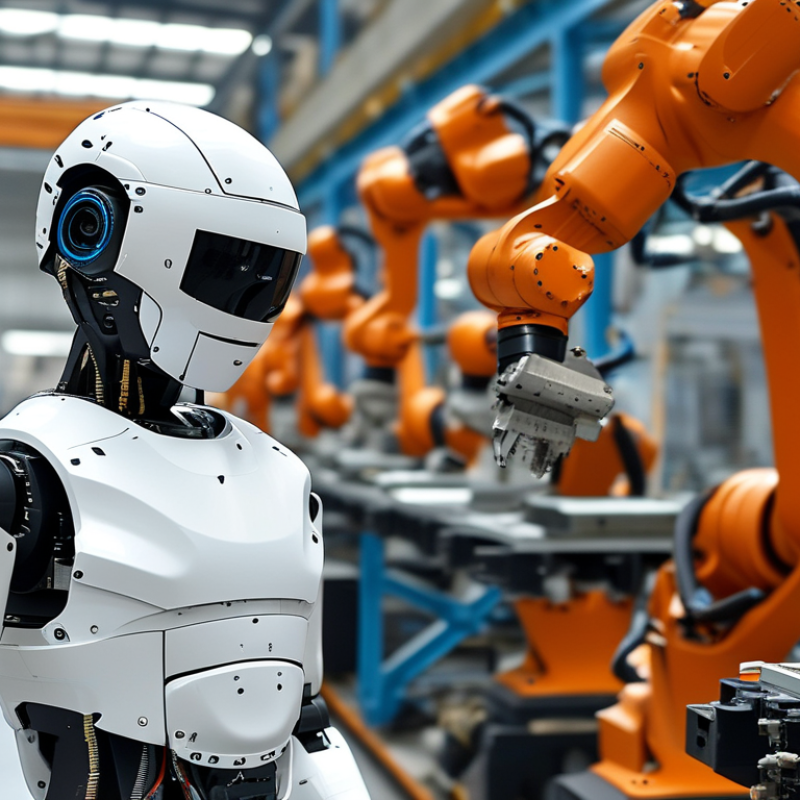
China's Automation Robotics market is rapidly evolving. Increased demand in manufacturing shows how automation can enhance efficiency. Various sectors, including logistics and healthcare, are integrating robots. This shift supports both domestic and international buyers seeking automation solutions. With innovation at the forefront, understanding market dynamics is key for global investors.
When exploring options, consider the diversity of automation robots. Factors like application, scalability, and support play significant roles. The landscape is not without challenges. There could be inconsistencies in quality and service among suppliers. Staying informed helps mitigate risks.
Communicating with local partners provides valuable insights. Researching regional trends is essential. Many companies utilize Agv Automation effectively for transport solutions. This trend can illustrate practical usage. Employing robots shouldn’t be a blind leap into technology. Evaluate every component carefully and remain adaptable to changes. Intelligent decisions will enhance the potential of integrating automation.
Key Manufacturers Driving Automation Robotics Innovation in China
China is at the forefront of automation robotics innovation, with numerous manufacturers leading the charge. These companies focus on developing advanced technologies that enhance efficiency. Their efforts have positioned the country as a global hub for automation. Many of these manufacturers specialize in Warehouse Automation Robots, which streamline operations in logistics and distribution.
The variety of robots available today reflects ongoing innovations. Some robots automate picking and packing processes, while others handle inventory management. The focus on artificial intelligence and machine learning in these systems enhances their adaptability. However, integration into existing systems can be a challenge. Companies must often rethink their workflow processes to fully benefit from these advancements.
Despite rapid growth, challenges remain. Not all manufacturers prioritize quality control, leading to inconsistent products. Buyers must carefully evaluate potential suppliers. Understanding a manufacturer's history and reputation is crucial in the decision-making process. Ensuring reliability will save time and costs in the long run, highlighting the importance of informed choices.
Top Features and Specifications of Leading Chinese Automation Robots
China has become a powerhouse in the field of automation robotics. Many buyers worldwide look to invest in these high-tech solutions. The top automation robots offer impressive features that cater to various industries. Advanced sensors enhance precision and efficiency. These robots are designed for tasks like assembly, packing, and quality inspection.
One standout feature is the adaptability of these machines. They can be programmed for multiple tasks, allowing companies to maximize efficiency. Their lightweight design allows for easy integration into existing setups. Communication capabilities enable seamless interaction with other machines, promoting a more cohesive workflow.
Despite their advantages, challenges remain. The complexity of programming can be daunting for new users. Furthermore, ongoing maintenance is essential to ensure peak performance. Users must be prepared for these aspects to reap the full benefits of automation robots. Investing in training could enhance the operational understanding of these machines.
Market Size and Growth Projections for Automation Robots in China
The market for automation robots in China is experiencing impressive growth. This expansion is driven by rising labor costs and increased demand for automation across various industries. According to recent reports, the market size for automation robots in China is projected to reach approximately USD 8 billion by 2025, demonstrating a compound annual growth rate (CAGR) of about 15%. This growth indicates an urgent need for efficiency and productivity in manufacturing processes.
China’s manufacturing sector is undergoing rapid transformation. Advanced technologies are being incorporated into traditional workflows. Collaborative Robots, or cobots, are also gaining traction, with sales expected to double by 2024. The focus on smart factories further fuels demand for automation robots. However, the rapid adoption has come with challenges. Many companies face integration issues and a talent gap in skilled labor.
Keeping pace with the trends in automation is vital for global buyers. Understanding local regulations and market dynamics can provide critical advantages. A thorough assessment of suppliers and their capabilities is essential. Failure to pinpoint reputable manufacturers may diminish success in sourcing automation solutions. Adapting to changing technologies will also be necessary. Flexibility is key in this quickly evolving landscape. Being open to innovation will help buyers remain competitive.
Top 10 Automation Robots in China for Global Buyers
| Robot Type | Market Size (USD Billion) | Growth Rate (CAGR %) | Key Application Areas | Forecast Year |
| Industrial Robots | 25.5 | 7.2 | Manufacturing, Automotive | 2026 |
| Service Robots | 18.2 | 9.5 | Healthcare, Hospitality | 2026 |
| Logistics Robots | 12.5 | 14.0 | Warehousing, E-commerce | 2026 |
|
Construction Robots | 8.3 | 10.8 | Construction, Demolition | 2026 |
| Agricultural Robots | 7.4 | 11.6 | Farming, Harvesting | 2026 |
| Domestic Robots | 6.1 | 15.0 | Cleaning, Security | 2026 |
| Delivery Robots | 4.7 | 20.0 | Food Delivery, Retail | 2026 |
| Inspection Robots | 3.9 | 12.5 | Infrastructure, Safety | 2026 |
| Humanoid Robots | 2.5 | 6.7 | Education, Entertainment | 2026 |
| Robotic Exoskeletons | 1.8 | 18.5 | Rehabilitation, Industry | 2026 |
Impact of Government Policies on China's Robotics Industry Development
The landscape of China’s robotics industry is significantly shaped by government policies. In recent years, the Chinese government has launched various initiatives aimed at boosting the development of Industrial Automation Robots. For instance, the "Made in China 2025" plan emphasizes advancing intelligent manufacturing. This initiative aims to increase the market size of industrial robots to $12 billion by 2025, reflecting a strong commitment to automation.
Supporting regulations have also played a critical role. Investment incentives and subsidies encourage research and development. A report by the International Federation of Robotics noted that China accounted for over 38% of global robot installations in 2022. This underlines the impact of favorable policies. However, challenges remain. Despite rapid growth, many companies still struggle with technology integration and skilled labor shortages in automation.
The government's focus on Industry 4.0 aims to tackle these issues. Yet, the gap between policy and implementation can hinder progress. Building a skilled workforce is now crucial for sustaining growth in Industrial Automation Robots. As China continues to evolve in this sector, both successes and shortcomings will shape its future trajectory.
Analysis of Global Demand for Chinese Automation Robots
The global demand for automation robots is on the rise, particularly for Chinese-made solutions. In recent years, the automation robotics market has experienced significant growth, projected to reach $60 billion by 2026, according to market research reports. This surge is driven by manufacturing industries looking to increase efficiency and reduce labor costs. The advanced technology of Chinese robots has positioned them as competitive players on the world stage.
China is not just a manufacturer; it is a leader in innovation. The development of artificial intelligence and machine learning has enhanced the capabilities of automation robots. A report by the International Federation of Robotics highlights that China's industrial robot installations increased by 20% in 2022, outpacing global averages. This growth reflects increased adoption across various sectors, including automotive and electronics. However, challenges persist, like quality assurance and adapting to diverse operational environments.
Businesses are increasingly adopting these robots to stay relevant. Yet, as with any transition, there are hurdles. Companies must invest in training their workforce to effectively utilize this technology. Moreover, some clients express concerns regarding the reliability and integration of these robots into existing systems. These aspects need careful consideration to maximize the benefits of automation.
Top 10 Automation Robots in China for Global Buyers
This chart displays the global demand for various types of automation robots produced in China. The data highlights the leading sectors where these robots are most utilized, showcasing their importance in a rapidly evolving technological landscape.
Future Trends in Robotics Automation and Technological Advancements in China
China is rapidly advancing in the field of robotics automation. According to a report by the International Federation of Robotics, China accounted for 44% of global industrial robot installations in 2020. This impressive figure showcases the country's commitment to integrating automation in various sectors. The automotive and electronics industries are leading adopters, driving the demand for innovative robotic solutions.
The ongoing research and development efforts in China focus on enhancing the capabilities of robotics automation. Collaborative robots, or cobots, are gaining traction. These robots work alongside humans, improving efficiency in production lines. Data from market analysts indicates that the cobot market in China is expected to surpass $1 billion by 2025. However, challenges remain, such as the need for skilled technicians and potential cybersecurity issues.
Future trends in Industrial Automation And Robotics suggest an increased emphasis on artificial intelligence. By incorporating AI, companies can optimize robotic performance and adaptability. As businesses look to reduce costs and improve productivity, the blend of AI and robotics seems inevitable. Yet, the pace of this transformation raises questions. Are organizations ready to embrace this shift? This reflection is crucial as China positions itself as a global leader in automation.
FAQS
: The need for increased efficiency and reduced labor costs is driving global demand for automation robots.
The automation robotics market is projected to reach $60 billion by 2026.
China is a leader in innovation, significantly contributing to the global robotics market.
Cobots, or collaborative robots, work alongside humans. They enhance efficiency in production lines.
Companies must invest in training and address concerns about reliability and integration into current systems.
China's industrial robot installations increased by 20% in 2022, outpacing global averages.
The cobot market in China is expected to surpass $1 billion by 2025.
Increased emphasis on artificial intelligence is a key future trend in robotics automation.
Effective technology use requires workforce training, which is crucial for maximizing automation benefits.
Organizations must reflect on their readiness to adapt to the rapid transformation in automation.
Conclusion
The article "Top 10 Automation Robots in China for Global Buyers" provides a comprehensive overview of the burgeoning automation robotics market in China. It explores the key factors contributing to the landscape, including the significant manufacturers driving innovation and the crucial features that define leading automation robots. The analysis highlights the impressive market size and growth projections, emphasizing the impact of supportive government policies on the development of China's robotics industry.
Additionally, the article delves into the analysis of global demand for Chinese automation robots and anticipates future trends and technological advancements. By examining these aspects, it underscores the pivotal role of automation robots in enhancing efficiency and productivity across various sectors, marking China's position as a key player in the global automation landscape.