

Products
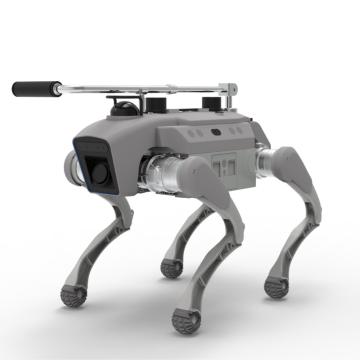
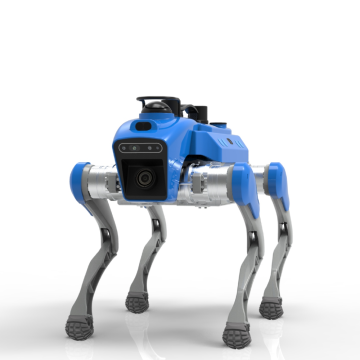
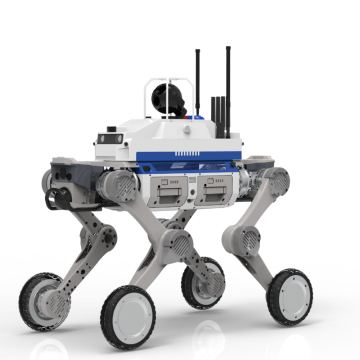
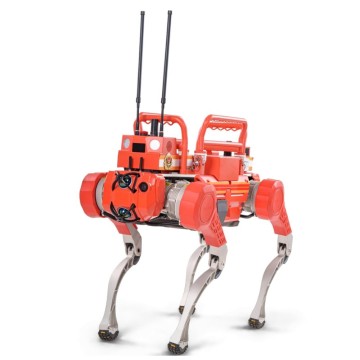
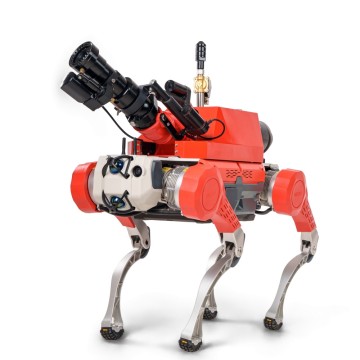
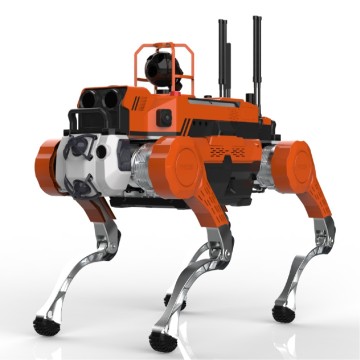
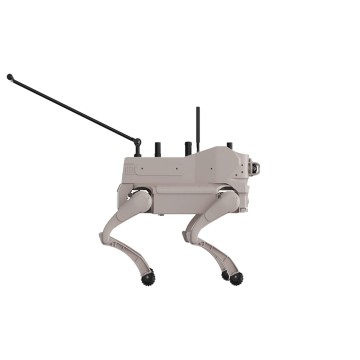
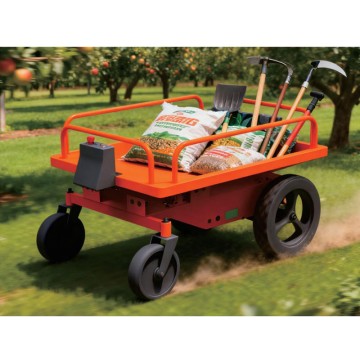
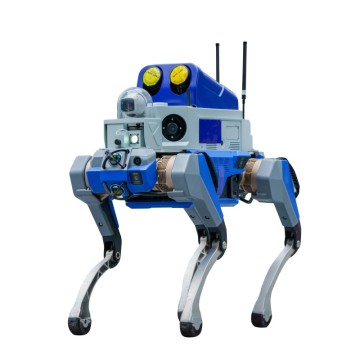
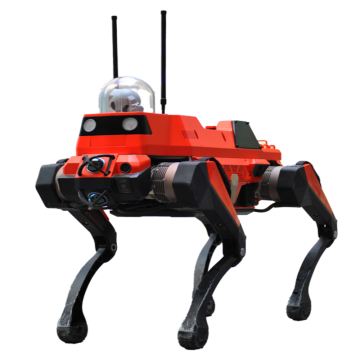
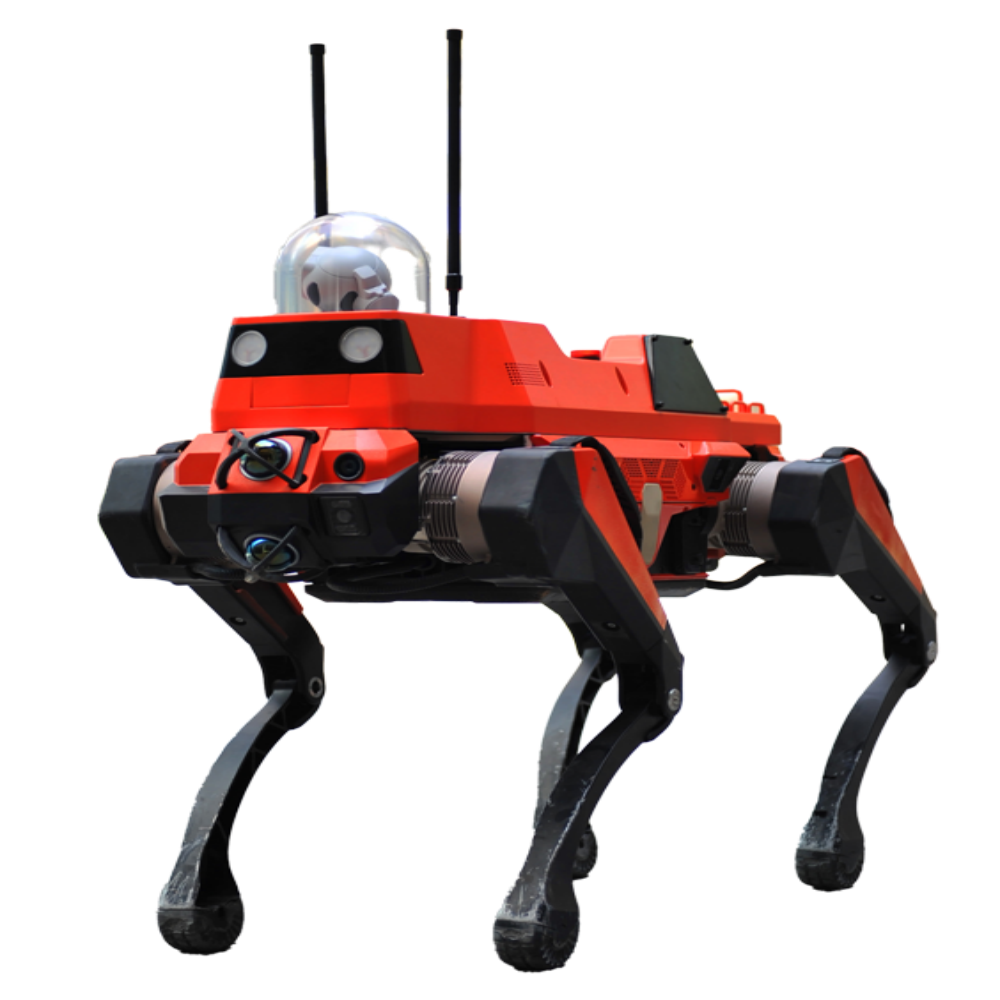
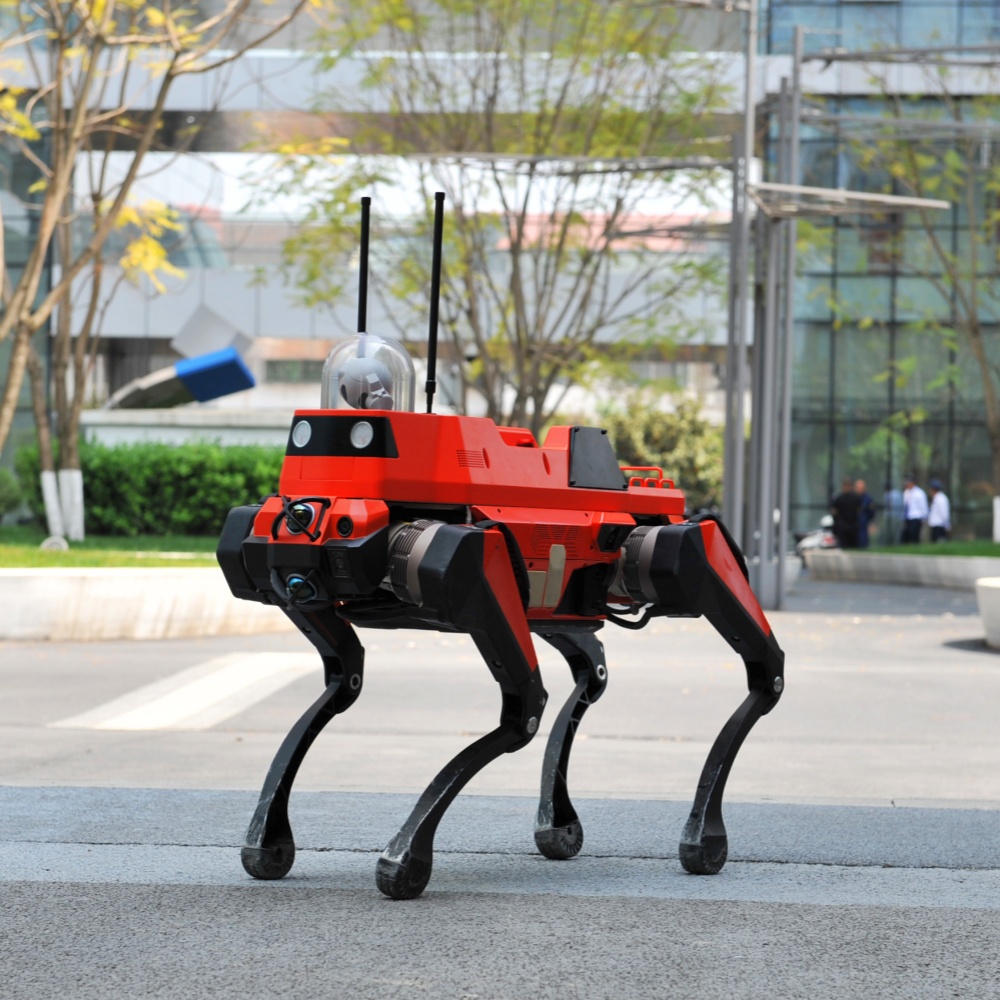
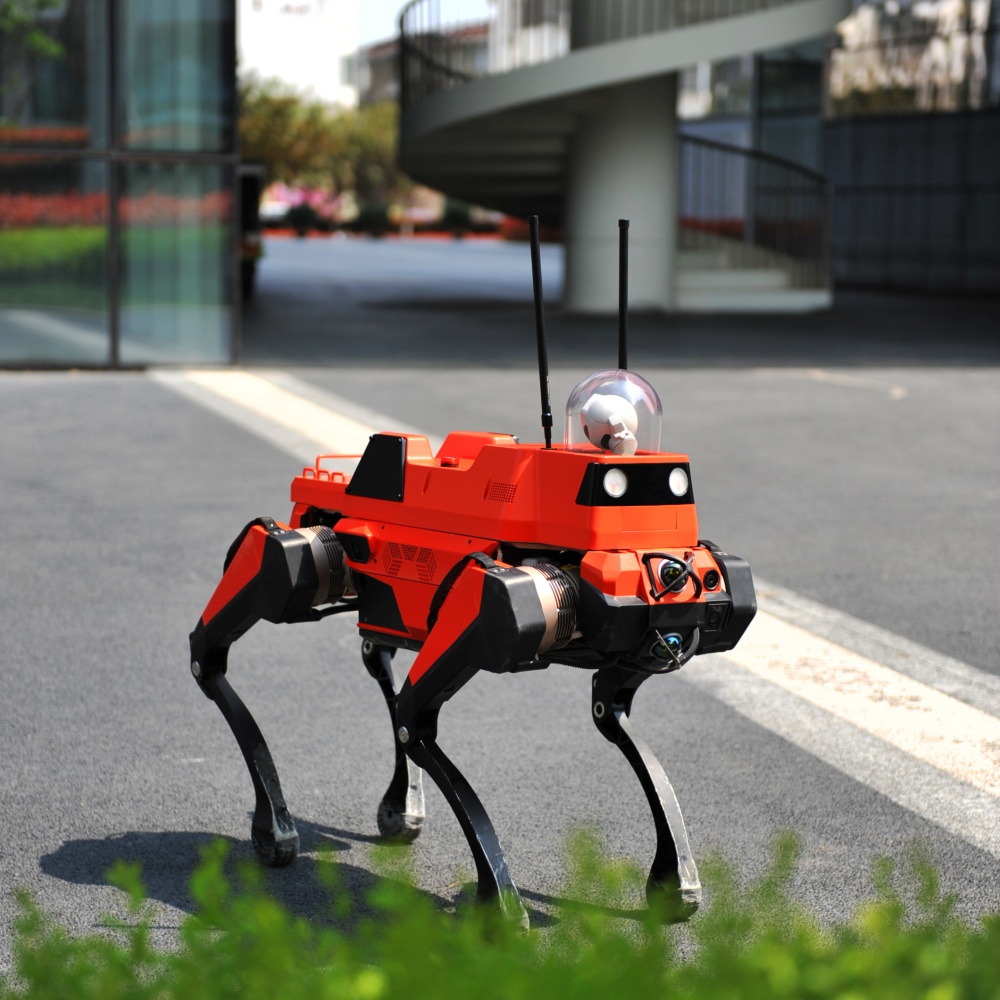
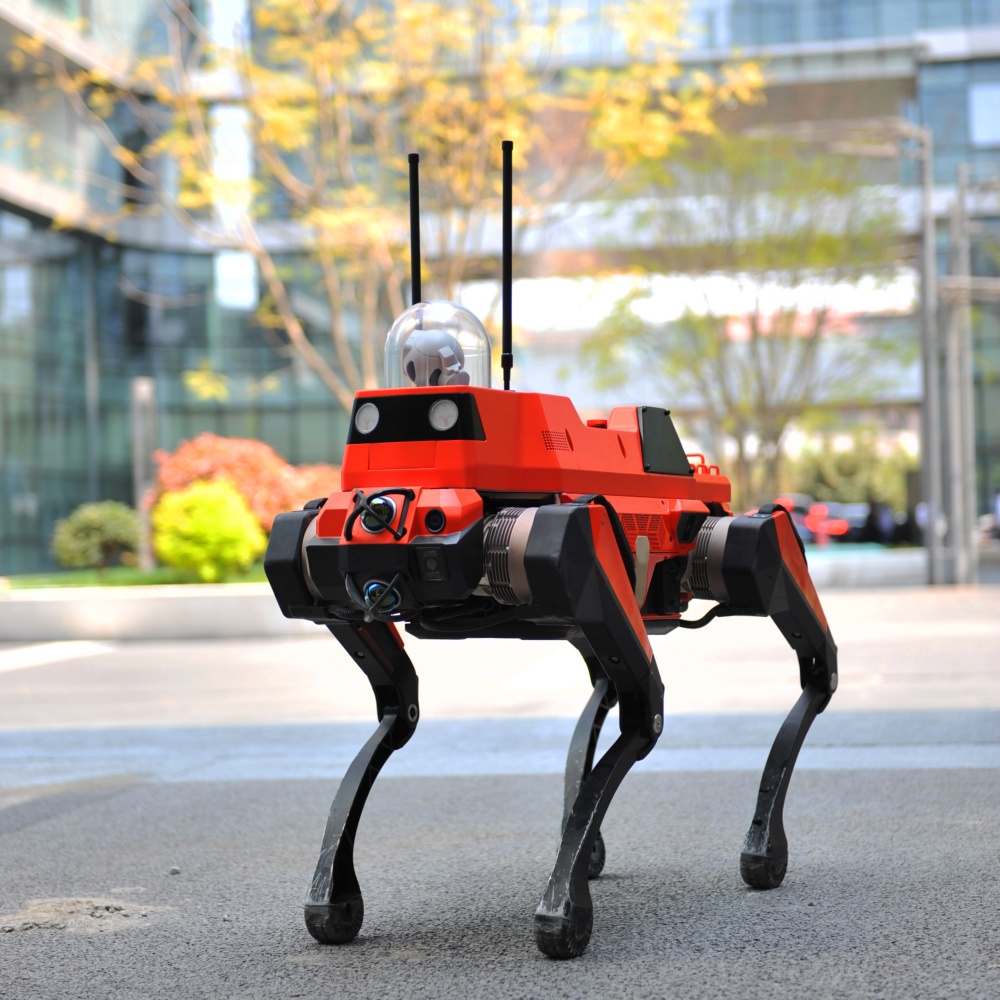
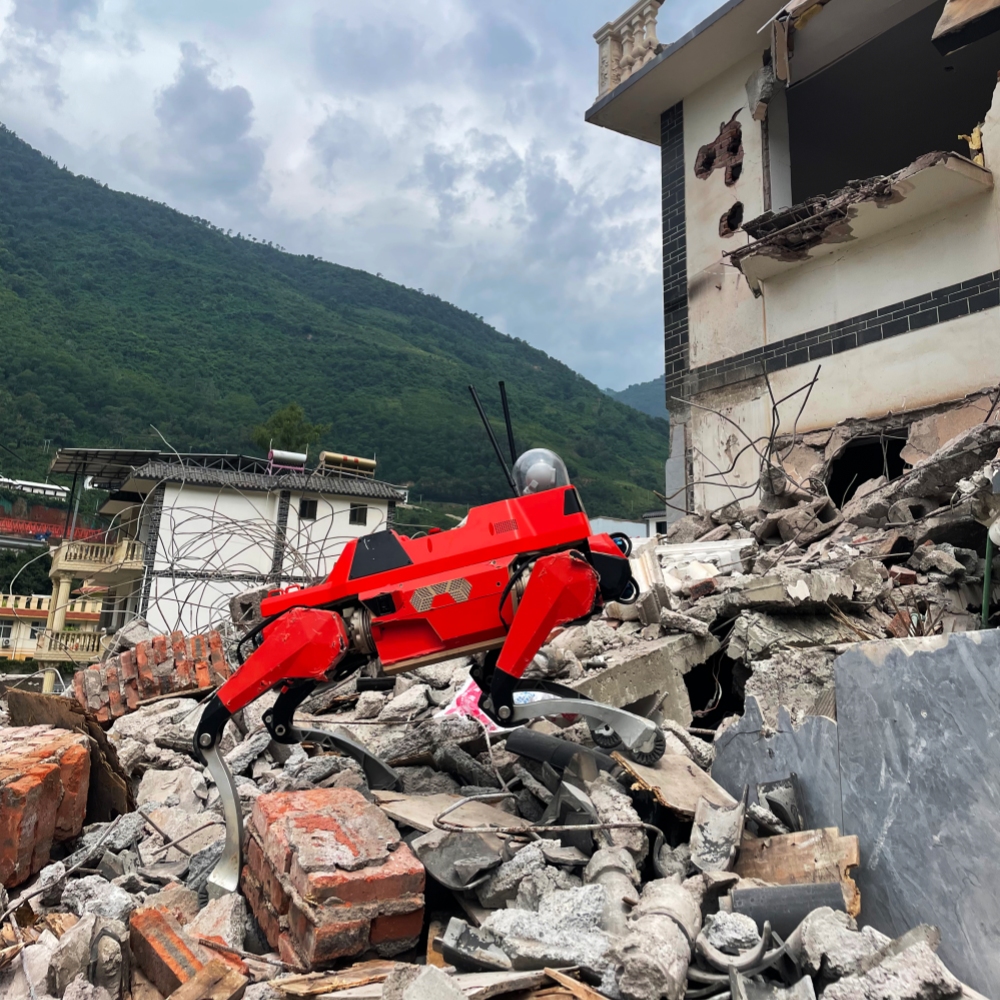
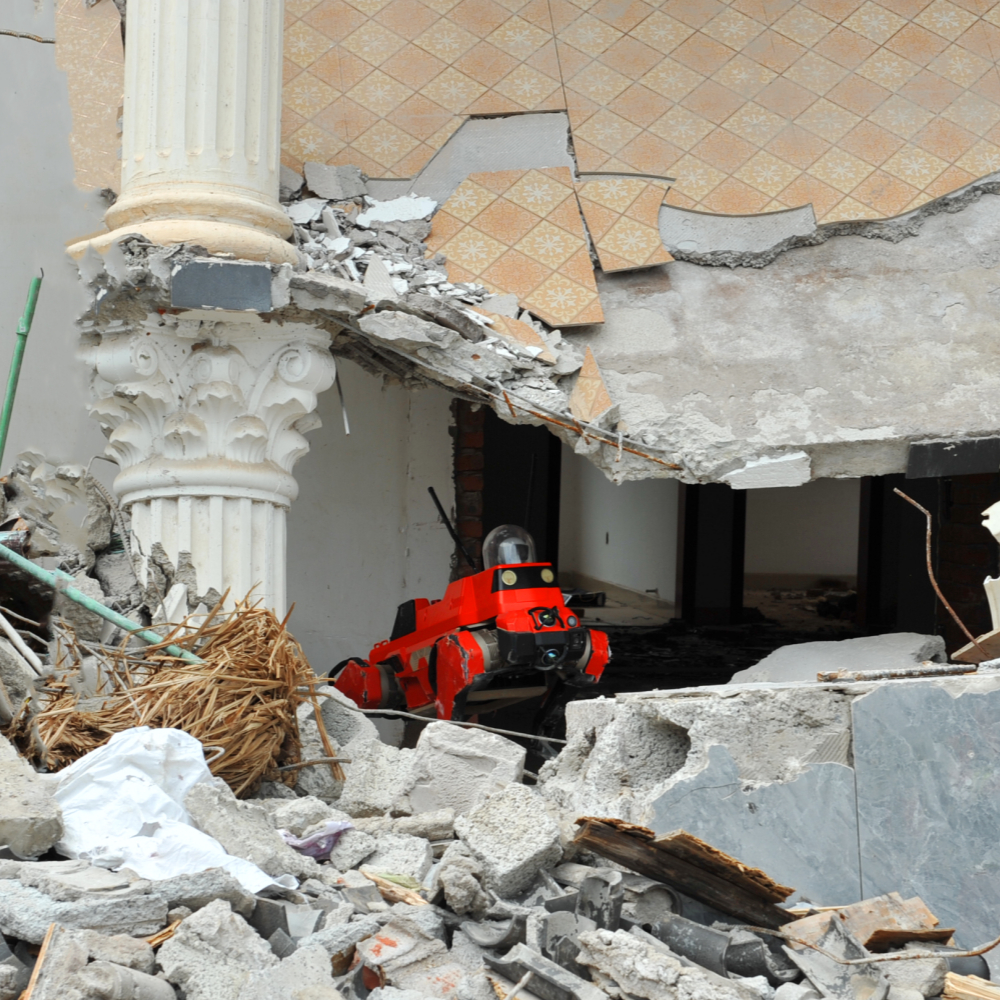
China Emergency Search and Rescue Robotic Dog - Suppliers of Advanced Quadruped Technology from Leading Factory
Core Functions of the Emergency Search and Rescue Robotic Dog
Basic Functions
- Navigates complex terrains: staircases, debris, outdoor environments, paved roads, etc.
- Slope climbing (maximum slope ≥30°)
- Self-recovery (rollover correction within ≤7 seconds)
- Autonomous charging, obstacle avoidance, inspection, and optional autonomous following.
Advanced Environmental Perception
- Full-view real-time environmental perception (day/night) with temperature and humidity sensing.
- Multi-gas detection (combustible gases, oxygen, CO, H₂S, etc., response time ≤30 seconds).
- Intelligent audio-visual alerts: threat intrusion detection, heat source identification, fire point detection.
- Real-time 3D environmental mapping.
Operational Capabilities (Equipped with Robotic Arm)
- Manual/automatic grasping of small objects (≥0.5 kg).
- Dragging small objects (≥1 kg).
- Opening standard doors (round or bar-shaped handles).
Information Interaction
- Real-time communication, audio/video transmission, and auxiliary lighting.
- Integrated multi-information display.
- High-bandwidth communication capabilities in underground spaces.
Communication Functions
- Supports 5G public network communication or point-to-point control terminal communication.
- Expandable ad-hoc networking capabilities.
Technical Specifications of Quadruped Robot Dog Platform
| SNOW MASTIFF Q20A | ||
|---|---|---|
| Overall Dimensions | Crawling dimensions (L × W × H) | 1105mm × 490mm × 295mm |
| Standing dimensions (L × W × H) | 1000mm × 490mm × 600mm | |
| Total weight | 58kg | |
| Electrical Parameters | Battery capacity | 22.4Ah (measured at 25℃) |
| Battery rated voltage | 72V | |
| Charger input | 200V~240V | |
| Charger output | 84V/8A | |
| Charging duration | 2.5h | |
| External power interface | 72V(BAT) | |
| External communication interface | Ethernet; WiFi | |
| Autonomous charging function | Supported | |
| Motion Parameters | Maximum speed | 2.5m/s (extreme test data) |
| Maximum walking speed | 1.0m/s | |
| Maximum climbable slope | ±30° | |
| Maximum climbable step height | 20cm | |
| Maximum climbable step angle | ±40° | |
| Payload endurance time | 2.5h | |
| Payload | 15kg | |
| Sensor Parameters | Solid-state LiDAR | 4 Pieces |
| Visible light camera | 5 Pieces | |
| Other optional modules | Dual-sensor gimbal; RTK | |
| Environmental Parameters | Protection rating | IP67 |
| Operating temperature | -40℃ ~ 55℃ | |
Frequently Asked Questions (FAQ)
The robotic dog is designed to navigate highly complex terrains including staircases, rubble/debris, outdoor rugged environments, and paved roads. It can climb slopes up to ±30° and clear steps up to 20cm in height.
It features full-view real-time perception for both day and night operations, integrated temperature/humidity sensors, and real-time 3D mapping. It also supports multi-gas detection (combustible gases, oxygen, carbon monoxide, hydrogen sulfide, etc.) with a quick response time of ≤30 seconds.
The SNOW MASTIFF Q20A has a payload capacity of 15kg and provides a payload endurance time of 2.5 hours. It is powered by a 72V battery with a capacity of 22.4Ah and supports autonomous charging.
Yes, when equipped with its optional robotic arm, it can perform operational tasks such as manual or automatic grasping of small objects (≥0.5 kg), dragging objects (≥1 kg), and opening standard doors with round or bar-shaped handles.
It supports 5G public network communication, point-to-point control terminal communication, Ethernet, and WiFi. It also features expandable ad-hoc networking capabilities for high-bandwidth communication in underground spaces.
Absolutely. The platform has an IP67 protection rating against dust and water ingress, and it is capable of operating reliably in extreme temperatures ranging from -40℃ up to 55℃.
Core Functions of the Emergency Search and Rescue Robotic Dog
1Basic Functions
- Navigates complex terrains: staircases, debris, outdoor environments, paved roads, etc.
- Slope climbing (maximum slope ≥30°)
- Self-recovery (rollover correction within ≤7 seconds)
- Autonomous charging, obstacle avoidance, inspection, and optional autonomous following.
2Advanced Environmental Perception
- Full-view real-time environmental perception (day/night) with temperature and humidity sensing.
- Multi-gas detection (combustible gases, oxygen, CO, H₂S, etc., response time ≤30 seconds).
- Intelligent audio-visual alerts: threat intrusion detection, heat source identification, fire point detection.
- Real-time 3D environmental mapping.
3Operational Capabilities (Equipped with Robotic Arm)
- Manual/automatic grasping of small objects (≥0.5 kg).
- Dragging small objects (≥1 kg).
- Opening standard doors (round or bar-shaped handles).
4Information Interaction
- Real-time communication, audio/video transmission, and auxiliary lighting.
- Integrated multi-information display.
- High-bandwidth communication capabilities in underground spaces.
5Communication Functions
- Supports 5G public network communication or point-to-point control terminal communication.
- Expandable ad-hoc networking capabilities.
Technical Specifications of Quadruped Robot Dog Platform
| SNOW MASTIFF Q20A | ||
| Overall Dimensions | Crawling dimensions (L × W × H) | 1105mm × 490mm × 295mm |
| Standing dimensions (L × W × H) | 1000mm × 490mm × 600mm | |
| Total weight | 58kg | |
| Electrical Parameters | Battery capacity | 22.4Ah (measured at 25℃) |
| Battery rated voltage | 72V | |
| Charger input | 200V~240V | |
| Charger output | 84V/8A | |
| Charging duration | 2.5h | |
| External power interface | 72V(BAT) | |
| External communication interface | Ethernet; WiFi | |
| Autonomous charging function | Supported | |
| Motion Parameters | Maximum speed | 2.5m/s (extreme test data) |
| Maximum walking speed | 1.0m/s | |
| Maximum climbable slope | ±30° | |
| Maximum climbable step height | 20cm | |
| Maximum climbable step angle | ±40° | |
| Payload endurance time | 2.5h | |
| Payload | 15kg | |
| Sensor Parameters | Solid-state LiDAR | 4 Pieces |
| Visible light camera | 5 Pieces | |
| Other optional modules | Dual-sensor gimbal; RTK | |
| Environmental Parameters | Protection rating | IP67 |
| Operating temperature | -40℃ ~ 55℃ | |